
Ecotourism
Tourist Attraction
Ecotourism
Simply put, ecotourism is responsible, sustainable nature tourism.
The International Ecotourism Society (TIES) defines ecotourism as “responsible travel to natural areas that conserves the environment, sustains the well-being of the local people, and involves interpretation and education.”
The concept of ecotourism has two words: traveling responsibly.
Non-invasive in nature, ethical travel predominantly focuses on experiencing and learning about natural environments and the local community.
It supports sustainable initiatives through low-impact and responsible consumption.
Ecotourism contributes to the conservation or preservation of natural resources and promotes stewardship of natural and cultural resources and economic benefits for the ecotourism destination.
NatureWalk
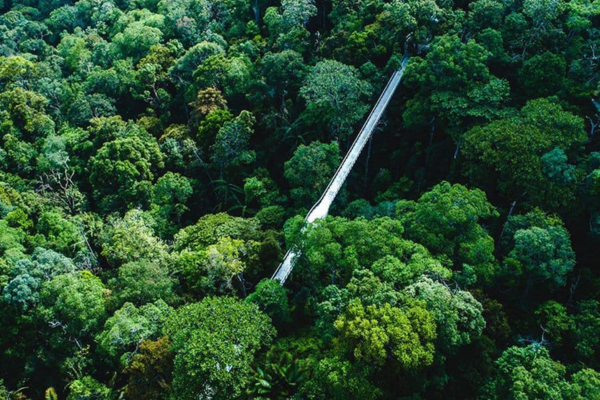
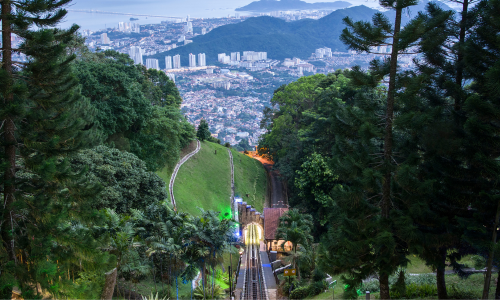
Nature Walks @ Penang Hill offers visitors an opportunity to go on self-guided walks along three interesting bypaths via nature trails and steps to the summit of the Hill.
Alternatively, visitors could choose to join free guided nature and heritage walks conducted by volunteer guides who provide unique rainforest experiences and personal insights into the Hill.
The complimentary service is on weekends & public/ school holidays (tipping to show appreciation is welcome) for individual walk-in visitors.
Tour groups can pre-book for appointed time slots with a nominal charge (email mindgrp@gmail.com for details).
The innovative Nature Walk service (under a private operator) is the initiative of Penang Hill Corporation, with the mission to encourage visitors to explore and discover more of the Hill.
Penang Botanical Gardens
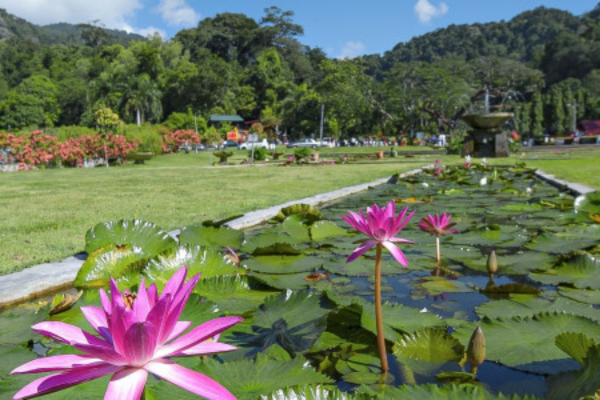
The Penang Botanic Gardens, popularly known as “Waterfall Gardens”, was established by the British in 1884 from an old granite quarry site.
The Gardens lies in a deep valley at the foot of 366 feet of jungle-clad hills, bound by evergreen tropical rainforests, divided by a cascading stream that meanders through a sprawling 29 hectares (71.6 acres) of prime and undulating grounds.
Its lush greenery and tranquil setting make it a favorite park and a popular tourist attraction.
It is Penang’s unique natural heritage is the only one of its kind in Malaysia.
Besides being a repository of flora and unique to the country and the region, it serves as a “green lung” for Metropolitan Penang.
Entopia
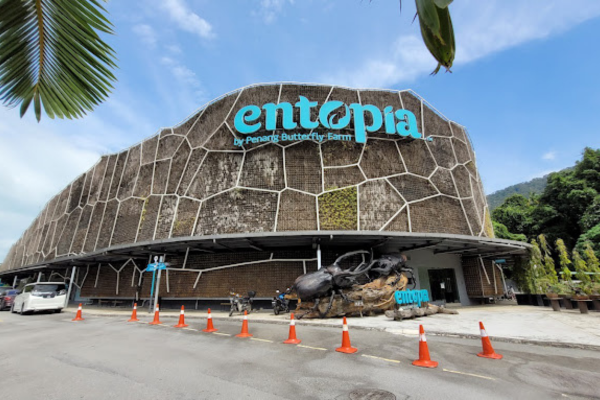
Entopia is a unique learning center where visitors can explore the environment’s wonders and appreciate nature’s beauty.
Previously called the Penang Butterfly Park, the new name, Entopia, combines two words, Entomology, and Utopia.
Entomology is a branch of zoology that studies and researches only insects, while Utopia is a fictional concept describing an ideal imaginary world where everything is perfect.
Entopia’s mission is to promote experiential learning and inspire visitors to reconnect with nature.
Visitors can experience flying insects such as butterflies and dragonflies.
Beetles, grasshoppers, and other invertebrates like spiders, scorpions, and caterpillars are seen in their natural habitat.
Additionally, visitors can meet some of the raddest and rare reptiles and amphibians in their recreated habitat.
Over 150 species of fauna (invertebrates and other animals) and more than 200 species of flora are showcased throughout the entire exhibition at Entopia.
Visitors can learn about butterflies’ important contributions to the ecosystem: classification, habits, structure, Butterfly Life Cycle, distribution, evolution, and extinct species.
Within Entopia lies two worlds; The Natureland living outdoor gardens and The Cocoon indoor discovery center.
Tropical Spice Garden
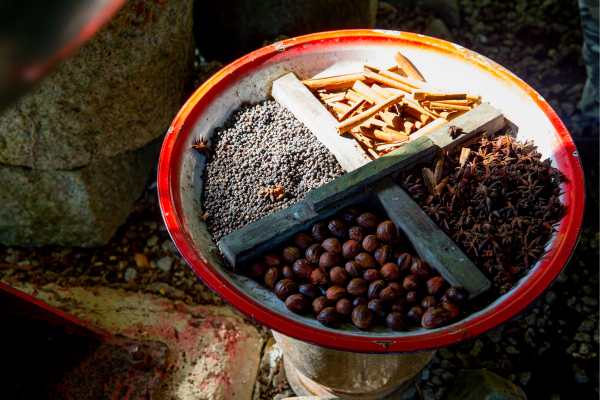
Nestled along the northeastern coast of Penang island in Malaysia, Tropical Spice Garden is where nature meets culture.
The Tropical Spice Garden is a bio-diverse living museum of spices and other tropical plants that have shaped our global history.
Spanning across five acres of meticulously landscaped terrain, the garden boasts an impressive collection of over 500 living specimens of exquisite flora from around the world. Within this paradise lies untold stories waiting to be discovered.
Our goal is to share this hidden treasure with as many people as possible.
Penang National Park
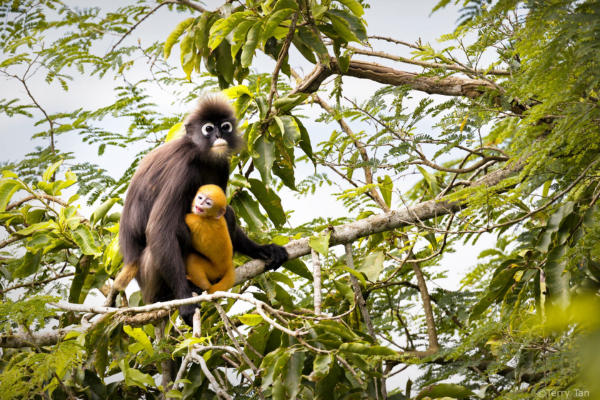
Penang National Park (PNP) was gazetted in 2003 under the National Parks Act 1980, signifying the Penang State and Federal governments’ environmental protection efforts.
With a total area of land and sea of 2,563 hectares (2,997 acres), the Penang National Park is the smallest national park in the world.
Located in the North-Western part of Penang Island overlooking the Straits of Malacca.
Penang National Park is famous for scientists and researchers documenting the ecosystem and for nature lovers to explore its natural treasures.
Formerly known as the Pantai Acheh Forest Reserve, the PNP harbours a wealth of 417 flora and 143 fauna species.
The park is about 390 km from Kuala Lumpur and about 42 km from George Town, Penang.
Teluk Bahang’s Penang National Park boasts three primary hiking trails: one that leads to Monkey Beach and Muka Head lighthouse, another that leads to Pantai Kerachut (Turtle Beach) and onward to Teluk Kampi, and the most recent one that takes you to Bukit Batu Hitam. All three trails are clearly marked with signage and are easy to follow, commencing at the park’s entrance where visitors are required to sign in. If you’re fortunate, you may also obtain a brochure showcasing the three trails.
Located within the Penang National Park, the Meromictic Lake is a unique natural wonder comprising both freshwater and saltwater layers. This rare phenomenon is uncommon, with only three occurrences in Asia and one in Malaysia. Meromictic describes a condition in which two layers of liquids with different densities and temperatures (in this case, salty seawater and freshwater) combine but remain distinct and separate. The Meromictic Lake is only observable between May to August each year.
Tourist Attraction
Ecotourism
Simply put, ecotourism is responsible, sustainable nature tourism.
The International Ecotourism Society (TIES) defines ecotourism as “responsible travel to natural areas that conserves the environment, sustains the well-being of the local people, and involves interpretation and education.”
The concept of ecotourism has two words: traveling responsibly.
Non-invasive in nature, ethical travel predominantly focuses on experiencing and learning about natural environments and the local community.
It supports sustainable initiatives through low-impact and responsible consumption.
Ecotourism contributes to the conservation or preservation of natural resources and promotes stewardship of natural and cultural resources and economic benefits for the ecotourism destination.
NatureWalk
Nature Walks @ Penang Hill offers visitors an opportunity to go on self-guided walks along three interesting bypaths via nature trails and steps to the summit of the Hill.
Alternatively, visitors could choose to join free guided nature and heritage walks conducted by volunteer guides who provide unique rainforest experiences and personal insights into the Hill.
The complimentary service is on weekends & public/ school holidays (tipping to show appreciation is welcome) for individual walk-in visitors.
Tour groups can pre-book for appointed time slots with a nominal charge (email mindgrp@gmail.com for details).
The innovative Nature Walk service (under a private operator) is the initiative of Penang Hill Corporation, with the mission to encourage visitors to explore and discover more of the Hill.
Penang Botanical Gardens
Its lush greenery and tranquil setting make it a favorite park and a popular tourist attraction.
It is Penang’s unique natural heritage is the only one of its kind in Malaysia. The Penang Botanic Gardens, popularly known as “Waterfall Gardens”, was established by the British in 1884 from an old granite quarry site.
The Gardens lies in a deep valley at the foot of 366 feet of jungle-clad hills, bound by evergreen tropical rainforests, divided by a cascading stream that meanders through a sprawling 29 hectares (71.6 acres) of prime and undulating grounds.
Besides being a repository of flora and unique to the country and the region, it serves as a “green lung” for Metropolitan Penang.
Entopia
Entopia is a unique learning center where visitors can explore the environment’s wonders and appreciate nature’s beauty.
Previously called the Penang Butterfly Park, the new name, Entopia, combines two words, Entomology, and Utopia.
Entomology is a branch of zoology that studies and researches only insects, while Utopia is a fictional concept describing an ideal imaginary world where everything is perfect.
Entopia’s mission is to promote experiential learning and inspire visitors to reconnect with nature.
Visitors can experience flying insects such as butterflies and dragonflies.
Beetles, grasshoppers, and other invertebrates like spiders, scorpions, and caterpillars are seen in their natural habitat.
Additionally, visitors can meet some of the raddest and rare reptiles and amphibians in their recreated habitat.
Over 150 species of fauna (invertebrates and other animals) and more than 200 species of flora are showcased throughout the entire exhibition at Entopia.
Visitors can learn about butterflies’ important contributions to the ecosystem: classification, habits, structure, Butterfly Life Cycle, distribution, evolution, and extinct species.
Within Entopia lies two worlds; The Natureland living outdoor gardens and The Cocoon indoor discovery center.
Tropical Spice Garden
Nestled along the northeastern coast of Penang island in Malaysia, Tropical Spice Garden is where nature meets culture.
The Tropical Spice Garden is a bio-diverse living museum of spices and other tropical plants that have shaped our global history.
Spanning across five acres of meticulously landscaped terrain, the garden boasts an impressive collection of over 500 living specimens of exquisite flora from around the world. Within this paradise lies untold stories waiting to be discovered.
Our goal is to share this hidden treasure with as many people as possible.
Penang National Park
Penang National Park (PNP) was gazetted in 2003 under the National Parks Act 1980, signifying the Penang State and Federal governments’ environmental protection efforts.
With a total area of land and sea of 2,563 hectares (2,997 acres), the Penang National Park is the smallest national park in the world.
Located in the North-Western part of Penang Island overlooking the Straits of Malacca.
Penang National Park is famous for scientists and researchers documenting the ecosystem and for nature lovers to explore its natural treasures.
Formerly known as the Pantai Acheh Forest Reserve, the PNP harbours a wealth of 417 flora and 143 fauna species.
The park is about 390 km from Kuala Lumpur and about 42 km from George Town, Penang.
Teluk Bahang’s Penang National Park boasts three primary hiking trails: one that leads to Monkey Beach and Muka Head lighthouse, another that leads to Pantai Kerachut (Turtle Beach) and onward to Teluk Kampi, and the most recent one that takes you to Bukit Batu Hitam. All three trails are clearly marked with signage and are easy to follow, commencing at the park’s entrance where visitors are required to sign in. If you’re fortunate, you may also obtain a brochure showcasing the three trails.
Located within the Penang National Park, the Meromictic Lake is a unique natural wonder comprising both freshwater and saltwater layers. This rare phenomenon is uncommon, with only three occurrences in Asia and one in Malaysia. Meromictic describes a condition in which two layers of liquids with different densities and temperatures (in this case, salty seawater and freshwater) combine but remain distinct and separate. The Meromictic Lake is only observable between May to August each year.

Conservation
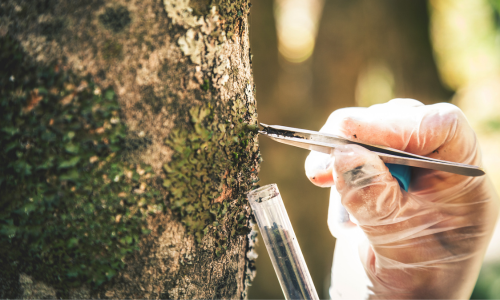
Research and Education

Map & Zonation
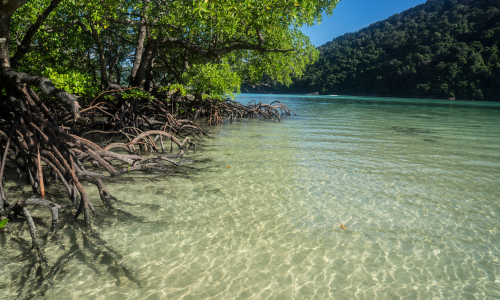
Ecosystem
 EN
EN  MS
MS 